Diy Polishing Compound
Diy Polishing Compound. You can polish all sorts of epoxy resin crafts such as tabletops, countertops, bar tops, jewellery, and coaster. This will remove any contaminants or dirt on the surface.
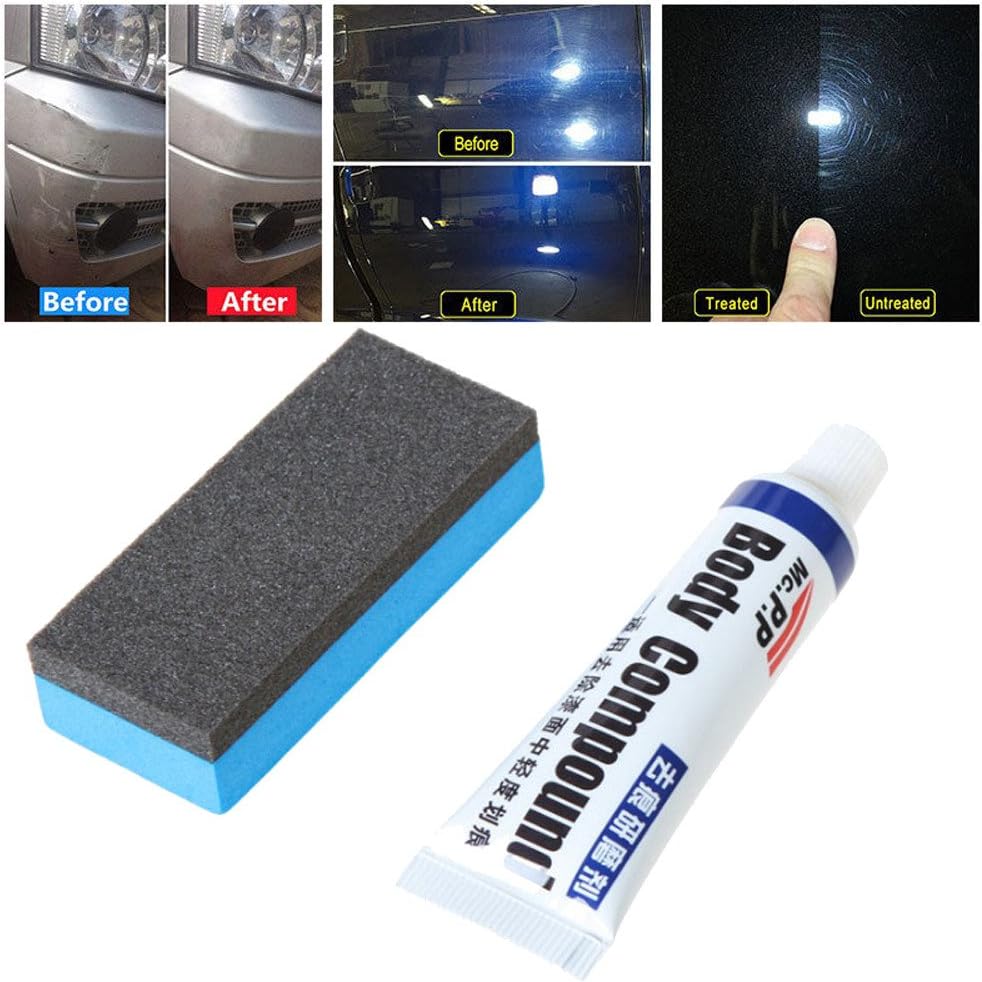
Otherwise will pop out tomorrow to go buy some. Tripolis, which are cutting compounds. Allow each layer to completely dry before you apply the next layer.
Clean the metal surface thoroughly using soap and water or an abrasive cleaner like bar keepers friend.
Apply two to three thin and even layers of polish or car scratch remover using a microfiber towel. Rub vigorously for several minutes. If your pads get clogged ('loaded', to use the correct terminology), hold them under a running faucet of warm water, and use a junky ununsed toothbrush and 1 drop of liquid soap. Add just enough water to 5 tbsp.
In this step, prepare scrap aluminum (a soda can) for conversion into polishing compound. The compound should stay reasonably wet during this process. Rub directly onto the aluminum surface and polish using a fine grain buffing pad. You can also add more compound if you'd like.
If it is beginning to dry, dampen your scrubbing pad. Slowly add some flour until you have a pastelike consistency. You can reuse the pads for quite a long time. To clear any residue from your aluminum, wipe clean with a soft cloth.
This multipurpose polishing compound kit has a cleaner, polishing compound, and a spray attachment. You can reuse the pads for quite a long time. Homemade aluminum polish 2 tablespoons cream of tartar 1/2 cup hot water soft sponge tb1234 fill a cup or bowl with hot water and mix in the cream of tartar until it forms a paste. Rub this paste onto your aluminum utensils or aluminum cookware and polish with a sponge.
Otherwise will pop out tomorrow to go buy some. Rub directly onto the aluminum surface and polish using a fine grain buffing pad. If you don't do it long enough, or hard enough, you will be wasting your time. If your pads get clogged ('loaded', to use the correct terminology), hold them under a running faucet of warm water, and use a junky ununsed toothbrush and 1 drop of liquid soap.
Mix thoroughly until the salt has dissolved completely in the solution. If your pads get clogged ('loaded', to use the correct terminology), hold them under a running faucet of warm water, and use a junky ununsed toothbrush and 1 drop of liquid soap. Polishing compounds usually come in paste form and contain tiny abrasive particles. You can also add more compound if you'd like.
Lemon juice and baking soda It’s really straightforward, all you need are a couple of microfiber towels and some polishing compound, like our reverse: 1.10.1 press the compound laden part of the cloth or towel against the project piece and keep it moving. If your pads get clogged ('loaded', to use the correct terminology), hold them under a running faucet of warm water, and use a junky ununsed toothbrush and 1 drop of liquid soap.
Add just enough water to 5 tbsp. This compound is an abrasive cleaner of sorts and works similar to that of fine grit sandpaper, as it shaves down some of the clear coat when used with a buffer. Allow each layer to completely dry before you apply the next layer. Should add i tried the green polish on a jasper piece i’ve sanded down, and it didn’t work, so don’t think it’s the right polish.
This compound is an abrasive cleaner of sorts and works similar to that of fine grit sandpaper, as it shaves down some of the clear coat when used with a buffer. In a dish, mix two tablespoons of cream of tartar, and slowly stir in water until a thick paste has formed. You can reuse the pads for quite a long time. Yes it has the green polish but not any good, so was hoping i could make a diy one at home if possible.
