Hind Leg Problems In Horses
Hind Leg Problems In Horses. Have you ever experienced pain in your foot after stepping on a lego or tiny toy? Dragging of the hind leg toes restricted movement of the hind leg;
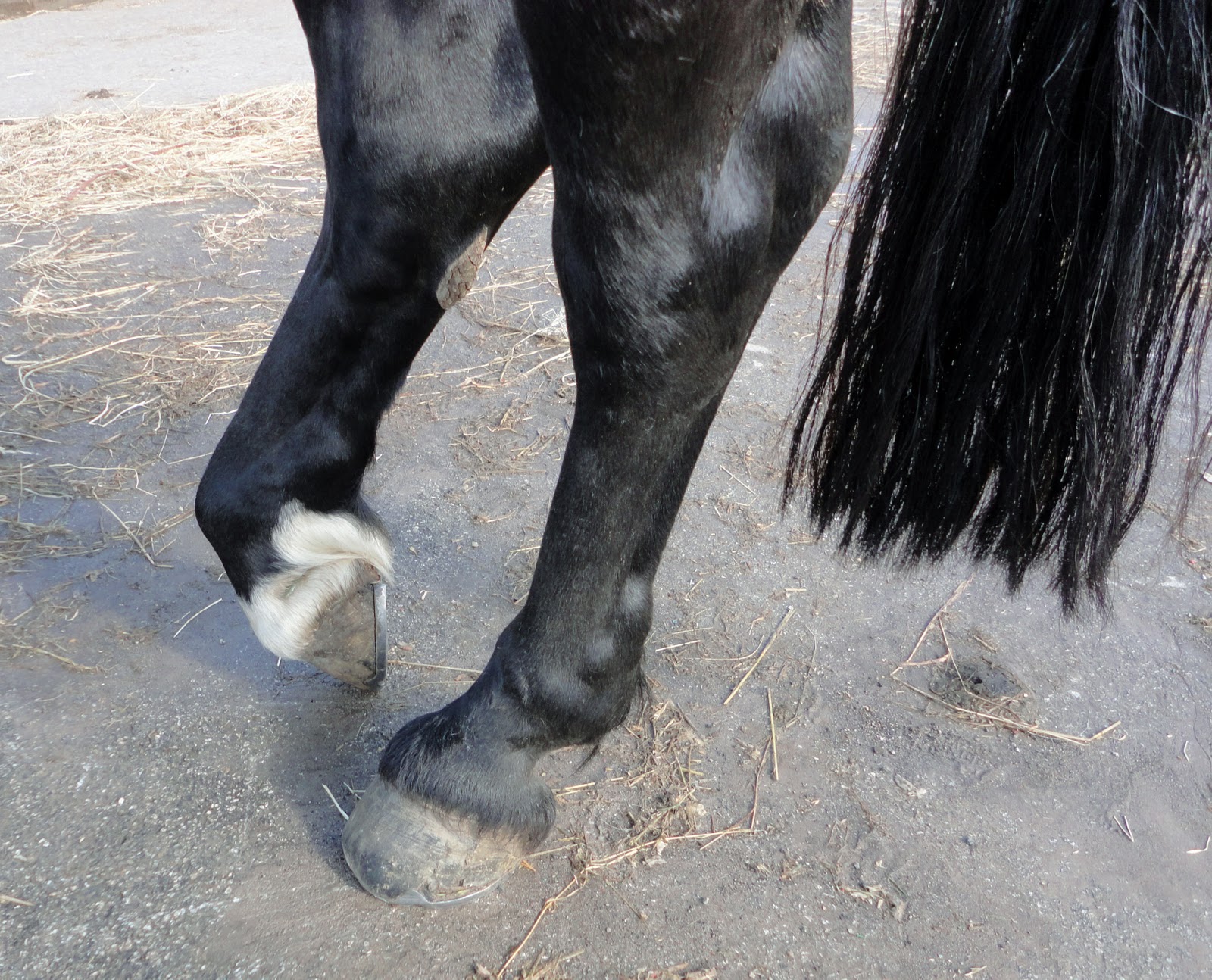
They are caused by an impact, such as a kick, that strains the plantar tarsal ligament. Again, this is a condition seen most obviously at the walk. A bad groin muscle pull can take up to six months rest to heal.
They are caused by an impact, such as a kick, that strains the plantar tarsal ligament.
Curbs are inflammations of the upper hind area of the rear cannon bone. When the hind leg moves backward into the pushing phase, the pelvis returns into a more horizontal position. Uneven or poor muscle development in the lower back and rump; Lameness is the abnormality in.
Increased prominence or an unbalance of the hunter’s bump, or the tuber sacrale bones at top of the pelvis; 2) lameness coming from the back, head, neck, or pelvis (horse is more obviously lame (or feels more “off”) at a walk) this may seem strange that a lameness can come from somewhere else besides the legs. Hind leg issues could be caused by: Horses show a shortened cranial (late) phase of the stride with a slapping of the foot toward the ground.
Hind leg issues could be caused by: Before learning about some of the most common hind leg problems horses can develop, it's helpful to understand a little about the underlying structures of the leg and how it should function normally. Fibrotic myopathy is the result of scar tissue formation within the semitendinosus muscle. Dragging of the hind leg toes restricted movement of the hind leg;
Slight lameness may accompany the swelling. When the hind leg moves backward into the pushing phase, the pelvis returns into a more horizontal position. Have you ever experienced pain in your foot after stepping on a lego or tiny toy? Again, this is a condition seen most obviously at the walk.
Horses show a shortened cranial (late) phase of the stride with a slapping of the foot toward the ground. Hind leg problems in horses. Ufp can manifest in young horses in. The major hind limb problem in horses can simply be tagged lameness.
Before learning about some of the most common hind leg problems horses can develop, it's helpful to understand a little about the underlying structures of the leg and how it should function normally. Rest is the only treatment, although cold packs and hosing may help. Have you ever experienced pain in your foot after stepping on a lego or tiny toy? Hind leg issues could be caused by:
Rest is the only treatment, although cold packs and hosing may help. Fibrotic myopathy is described as having the opposite hind limb gait to stringhalt. Asymmetrical movement of the pelvis on. The bone spavin at the lower hock joint is the enlargement on one or more of the hock bones.
“the undulation of the pelvis was larger in the horses with good trot and increased in passage.” (1) the hind limbs and the pelvis have to move in the same direction. The bone spavin at the lower hock joint is the enlargement on one or more of the hock bones. A bad groin muscle pull can take up to six months rest to heal. Hind leg problems in horses lameness in horses.
Muscle deterioration in the rump; Again, this is a condition seen most obviously at the walk. They are caused by an impact, such as a kick, that strains the plantar tarsal ligament. The major hind limb problem in horses can simply be tagged lameness.
