Welding Stainless Steel To Steel
Welding Stainless Steel To Steel. You can weld a wide range of stainless steels, from 300 series stainless steels. Austenitic stainless steels such as grade 304 stainless or grade 316 stainless can be welded to plain carbon steel using mig and tig welding.
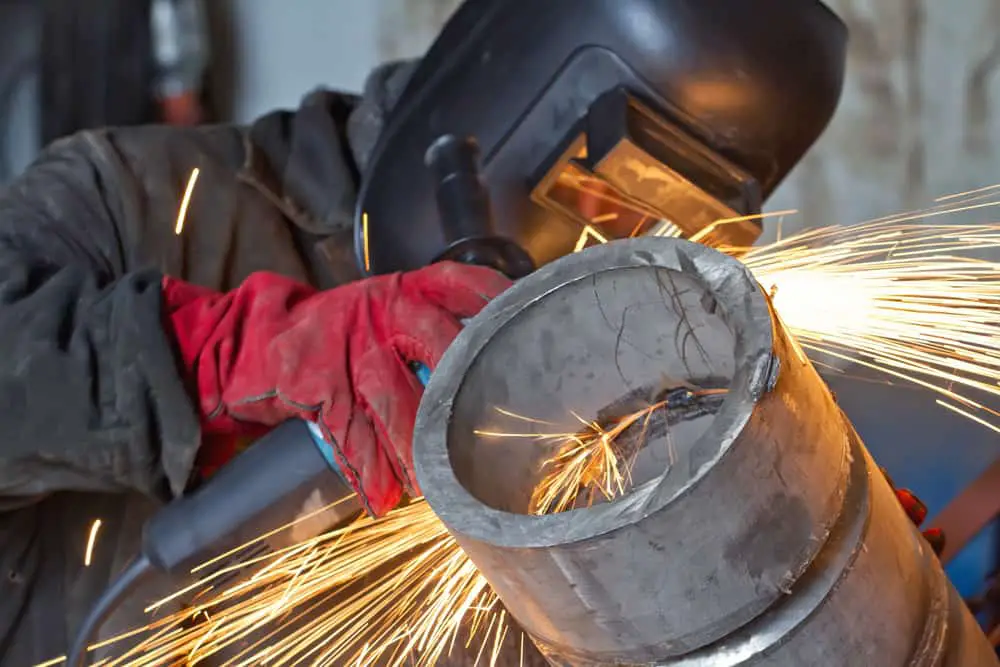
Carbon and alloy steels containing less than 0.20%c do not normally need any preheat when being welded to austenitic stainless steels. It is essential to use the correct electrode. As it causes damage to your stainless steel.
The difference is that stainless steel filler metal will have a little bit better resistance on the weld than the regular ones.
Tig/ mig can be made using er2209 or er309l or er309lmo type filler wire. High restraint joints, where material thickness is over 30mm, should also be preheated. All the way up to series 309 stainless steel. While e308 and e310 are generally cheaper, joint quality will be higher with e309 or e309l welding rods.
In the fabrication of stainless steel products, components, or equipment, manufacturers employ welding as the principal joining method. The answer is yes, you can, but before doing so you should ask yourself why you are doing it. When welding stainless steel to a dissimilar metal such as plain carbon steel, weld processes such as mig welding that use filler material are preferred. Monitor the temperature of your base metal and weld metal, as failure to do so may give rise to avoidable performance problems in the long run.
Some stainless steels also use helium along with argon and carbon dioxide. You weld it with a filler wire er308 (18%cr 8%ni) and assume 10% dilution from either base metal especially for the root pass. Tig/ mig can be made using er2209 or er309l or er309lmo type filler wire. You can weld a wide range of stainless steels, from 300 series stainless steels.
After welding, austenitic steel can be cold worked to improve strength and durability. Lots of layout and measuring tools were used to build the project. Stainless steel is composed of iron (fe), carbon (c), and chrome. Steels with over 0.20% c often require a post weld heat treatment to soften and toughen the weld.
As it causes damage to your stainless steel. Carbon and alloy steels with carbon levels over 0.20% may require preheat. Tig/ mig can be made using er2209 or er309l or er309lmo type filler wire. A combination of mig welder and flux core wire also seems to work pretty well in some cases.
When welding stainless steel to a dissimilar metal such as plain carbon steel, weld processes such as mig welding that use filler material are preferred. The ss welding machine of the following 4 methods are used predominantly. You weld it with a filler wire er308 (18%cr 8%ni) and assume 10% dilution from either base metal especially for the root pass. And join stainless to mild steel.
High restraint joints, where material thickness is over 30mm, should also be preheated. Stainless steels including a grade 304 or grade 316 can be welded to a plain carbon steel using metal arc welding (mig) or tungsten arc welding (tig) welding. Stainless steel is composed of iron (fe), carbon (c), and chrome. After welding, austenitic steel can be cold worked to improve strength and durability.
High restraint joints, where material thickness is over 30mm, should also be preheated. Depending on the type of stainless steel you have to. Tig welding this most frequently used process for its top quality, strength, versatility, and longevity. For example, when welding with 304l, use 304l for the filler as well as the base.
Stainless steels are weldable materials, and a welded joint can provide optimum corrosion resistance, strength, and fabrication econom y. A combination of mig welder and flux core wire also seems to work pretty well in some cases. Austenitic stainless steels such as grade 304 stainless or grade 316 stainless can be welded to plain carbon steel using mig and tig welding. Stainless steels are weldable materials, and a welded joint can provide optimum corrosion resistance, strength, and fabrication econom y.
